Skip to main content Accessible Version
Periodontal Prevention and Treatment
A healthy, beautiful smile starts here

Periodontal Prevention and Treatment | Dentist
Improve your smile today – call to schedule a consultation!
Contact Us

Periodontal Prevention and Treatment

periodontal treatment | palos heights ilPeriodontal (gum) disease is a growing problem and one of the most common conditions we treat.

While good oral hygiene habits can help prevent periodontal disease, it can still happen. The earlier we catch it, the easier it will be to treat.

What Is Periodontal Disease?

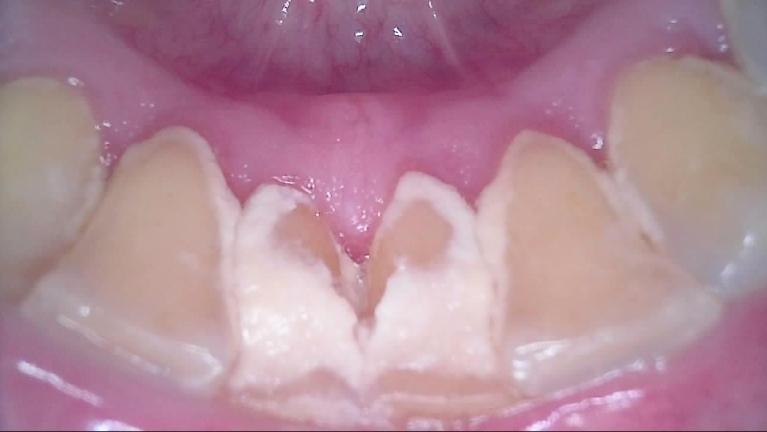
Periodontal disease, or gum disease, is caused by plaque that builds up on the teeth and especially under the gumline. The sticky plaque attracts bacteria and eventually turns into hard tartar. The tartar and bacteria irritate the gums and cause infection.

Preventing Periodontal Disease

Brushing twice daily and flossing every evening using good technique will help remove a lot of plaque, but even the most diligent brusher and flosser may have a hard time cleaning off all the plaque, especially the plaque that hides under the gumline. You can improve your chances of staving off periodontal disease by getting twice-daily professional dental cleanings from one of our excellent dental hygienists as recommended by the American Dental Association.

So what if you brush and floss and get your regular cleanings like you are supposed to and still get periodontal disease?

Other factors can contribute and cause a predisposition to gum disease:

  • Smoking automatically increases your odds of developing gum disease. If you need help quitting, talk to your dentist.
  • Diabetes and heart disease have both been linked to periodontal disease.
  • Numerous prescription medications are known to cause dry mouth, which can contribute to gum disease.
  • Illnesses that inhibit your immune system, including cancer, increase your chances of developing periodontal disease.
  • Genetics also play a role. Gum disease tends to run in families.

periodontal treatment | preventative dentistry | palos heights ILTreating Periodontal Disease

How your gum disease is treated will depend a great deal on how advanced it is and how much damage it has caused. It’s important to treat gum disease, even in the early stages. Untreated gum disease will not only progress in your mouth, but can also lead to health troubles throughout the rest of your body.

Mild gum disease can often be treated with a renewed commitment to good oral hygiene habits and an antimicrobial mouthwash. Moderate-to-advanced gum disease may require a deep cleaning treatment known as scaling and root planing. During this treatment, we remove the tartar from below the gumline and get rid of the rough spots where bacteria tend to gather.

If you are concerned that you might have periodontal disease, don’t hesitate. Call our office today so that we can start your treatment.


Frequently Asked Questions

Coming in for regular cleanings with one of our excellent dental hygienists will help keep your gums in great shape, but what you do at home matters as well. Brush twice daily and floss every evening. Our hygienists will be happy to show you good brushing and flossing technique.

Other steps you can take to prevent gum disease include:

  • Don't smoke or chew tobacco
  • Eat a healthy diet full of fresh fruits and vegetables
  • Use an antiseptic mouthwash. We'll be happy to recommend one.
  • If you have a health condition that can affect your dental health such as diabetes, heart disease, or cancer, please let us know so that we can take extra steps to help keep your gums healthy.


Through the years, one of the questions that I have been asked the most is whether you should brush first or floss first.  I was always happy when people would ask that question because it made me realize that some people actually do floss at home. However, I never really had a good answer for that question. I would always say that if you flossed first, the spaces between the teeth would be cleaner for the fluoride toothpaste to penetrate between the teeth. But then I would say that if you brushed first, you would have the fluoride toothpaste in your mouth from brushing and the floss would pull the fluoride toothpaste between the teeth where a brush can't reach. And then I would sum it up by saying that there are probably benefits either way and it probably doesn’t matter that much which is done first.  I would always say that I was just happy that patients were attempting to floss

However, in May 2018 there was a research article published in the Journal of Periodontology, the publication that focuses on the treatment of gum disease and the tissues around teeth. The focus of this research article was to determine whether there was an advantage to brushing first or flossing first. The research concentrated on the reduction of plaque bacteria, the cause of gum disease and tooth decay, as well as fluoride retention on the tooth surfaces after either brushing first or flossing first. 

What they found was that flossing before you brush resulted in a statistically significant  reduction of plaque bacteria between teeth when compared to flossing after brushing.  So, that meant that flossing first did a better job of cleaning teeth in the research. In addition, flossing first also resulted in a statically significant increase in the amount of fluoride retained on the surfaces between teeth when compared to flossing after brushing. So, again, it is better to floss first because the teeth are left with more fluoride on them to help fight decay.  Here is a link to a summary of the article  https://www.perio.org/consumer/brush-or-floss-first

So now we have an answer based on science. 

It is better to floss BEFORE you brush your teeth.

Toothbrush | from unsplashIt’s a pretty common question we get. It makes sense that a hard bristled brush would do a better job scrubbing your teeth, right?  However, the recommendation is to always use a soft bristled brush. 


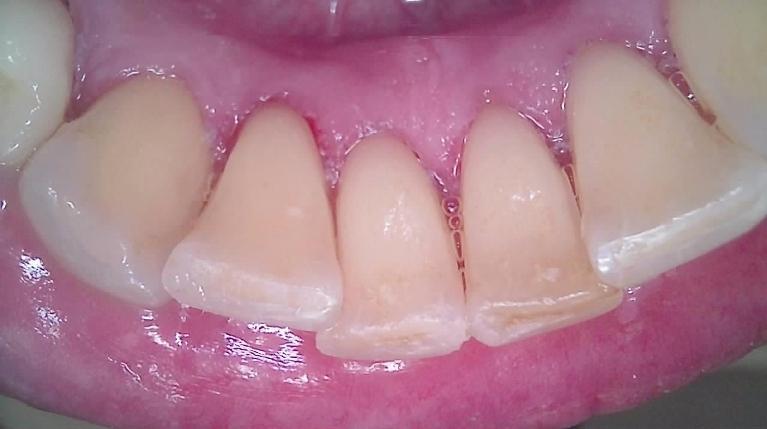
The bacterial plaque and food debris that we aim to remove is a thin gel that is lightly attached to your teeth.  It comes off relatively easily with soft bristles.  While the stiffer bristles would remove it as well, the stiffer bristles can be stiff enough to damage your teeth.  


As an example, if you scrub a spot on your floor every day, twice a day, with a wire brush, it will quickly wear away a hole in the floor. On the other hand, a soft brush is much less likely to wear the floor away. The same holds for teeth. Harder bristles will damage teeth over time. 


What about tartar or calculus?


While tartar and calculus are harder buildups that are stuck on teeth, even the firm bristle brushes won’t remove it.  This is why you need to get your teeth professionally cleaned with the sharp instruments that can chip these buildups off your teeth.  Give us a call if it is time to get them professionally cleaned.  Your teeth will thank you for it. 

Meet Our Doctor:

Robert C. Clay Jr. DDS

Dr. Bob grew up on the far southeast side of Chicago. After graduating from St. Francis de Sales High School, he attended Purdue University in West Lafayette, Indiana where he graduated with a Bachelor of Science degree, specializing in microbiology. Dr. Bob went on to attend the University of Illinois at Chicago Dental School where he received a second Bachelor’s Degree, a Bachelor of Science in Dentistry, followed by his Doctor of Dental Surgery degree. Following graduation, he completed his state and national board exams and began practicing dentistry in ...

Featured Blog Posts - Periodontal Prevention and Treatment

March 27, 2020

We have a new enemy, and it’s not COVID-19

Funny picture of boy with shaving cream on face

With the downtime being closed due to the COVID-19 virus, we have had some free time to make some fun videos.  There is another enemy in town that we have to fight.  Check out our video and see what you need to do. 
 

February 14, 2019

What’s with all the new toothpastes claiming to treat gum problems? I thought they always did?


So what is it with all these new toothpastes that claim to help treat gingivitis? Didn’t they always do that? Well, not really.  Toothpastes help fight decay with fluoride, but it has always been the brush and floss that removed the bacteria that caused gum problems. Toothpastes didn’t really do anything to ...

October 1, 2018

Should I Brush First or Should I Floss First?

Should you Brush first or should you floss first?  I've heard this question asked so many times through the years.  I've also heard different opinions from the "experts" on this topic.  If you floss first, you clean out the plaque between the teeth and allow the fluoride toothpaste to get between the teeth to the already cleaned surfaces.  ...

Getting an appointment is fast and easy!
Get Started!